
Epstein revelations trigger political crisis for UK Prime Minister Keir Starmer
POLITICS
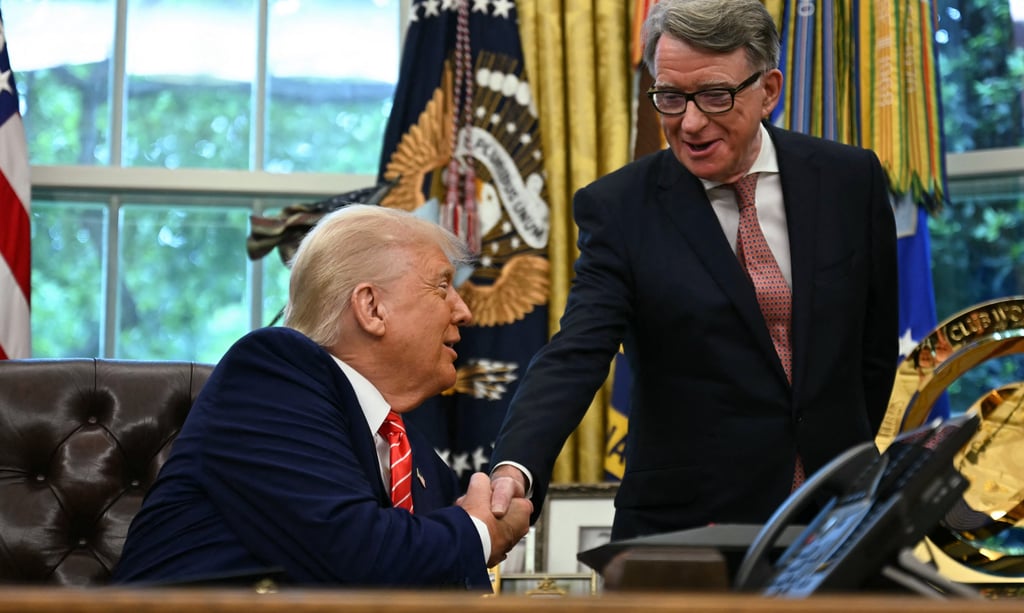
Epstein revelations
The release of new documents related to Jeffrey Epstein has plunged the U.K. government into a political crisis, placing Prime Minister Keir Starmer under intense pressure and rattling financial markets. While Starmer has no personal links to the disgraced financier and convicted sex offender, the fallout from the revelations has raised serious questions about his judgment and leadership.
At the center of the storm is Starmer’s decision to appoint veteran Labour figure Peter Mandelson as U.S. ambassador, despite Mandelson’s past connections to Epstein. What began as a controversy over political vetting has since escalated into resignations at the heart of government and growing calls for Starmer to step down.
Fresh Epstein files revive scrutiny of Mandelson ties
The crisis was reignited last week after the U.S. Department of Justice released millions of additional files related to Epstein. Among them were previously undisclosed messages between Epstein and Peter Mandelson, including communications that continued after Epstein pleaded guilty in 2008 in Florida to felony solicitation of prostitution involving an underage girl.
The documents intensified scrutiny of Mandelson’s relationship with Epstein and renewed accusations that Starmer ignored warning signs when appointing him as ambassador to Washington in December. Starmer has since acknowledged that he accepted Mandelson’s assurances at face value and has apologized to Epstein’s victims for believing what he described as Mandelson’s “lies.”
Downing Street fired Mandelson from the ambassadorship in September, saying new information had emerged about the depth of his association with Epstein. The latest document dump went further, prompting allegations that Mandelson may have shared market-sensitive government information with Epstein following the 2008 global financial crisis. One exchange appeared to show Mandelson alerting Epstein in advance to a planned 500 billion euro bank bailout in 2010.
Mandelson has denied wrongdoing. In a statement to Sky News last month, he said he was unaware of Epstein’s crimes at the time and expressed deep regret for maintaining the friendship after Epstein’s conviction.
Starmer’s leadership under fire as resignations mount
The controversy has quickly become existential for Starmer’s premiership. Two senior aides — chief of staff Morgan McSweeney and communications director Tim Allan — resigned in quick succession, intensifying the sense of a government in turmoil.
Opposition parties and factions within Labour have openly questioned Starmer’s ability to lead. Anas Sarwar, leader of Labour in Scotland, publicly called for Starmer’s resignation, arguing that the ongoing crisis was damaging the party and distracting from governing.
“The distraction needs to end and the leadership in Downing Street has to change,” Sarwar said at a press conference on Monday.
Starmer has so far resisted those calls. In a pivotal meeting with Labour members of parliament, he reportedly told colleagues he was “not prepared to walk away.” Cabinet ministers have since sought to close ranks around the prime minister, attempting to project stability amid growing unrest.
Markets weigh political uncertainty and succession risks
The political turmoil has spilled into financial markets. On Monday, U.K. government borrowing costs jumped as investors reacted to the uncertainty surrounding Starmer’s future. By Tuesday, gilt yields eased after senior ministers rallied behind the prime minister, calming fears of an immediate leadership collapse.
The yield on the benchmark 10-year gilt fell 3 basis points to 4.496%, while the 30-year gilt declined 4 basis points to 5.309%.
Still, analysts warn that the risk is far from over. Charlie Lloyd, head of investments at Shackleton Advisers, said uncertainty over Starmer’s leadership was unhelpful for bond markets, particularly as inflation is expected to fall and the Bank of England appears poised to begin cutting interest rates as early as March.
A resignation or prolonged leadership contest, Lloyd said, would likely lead to short-term volatility, higher borrowing costs and potential damage to consumer confidence.
Speculation has already begun over potential successors. Names frequently mentioned include Angela Rayner, the party’s left-leaning former deputy prime minister; Health Secretary Wes Streeting; and former Labour leader Ed Miliband. Andy Burnham, the mayor of Greater Manchester, is also seen as a popular figure, though investors have expressed concern about his past criticism of financial markets.
For now, Starmer remains in office, but the Epstein revelations have exposed fault lines within Labour and injected fresh uncertainty into U.K. politics — with potential consequences for markets, government stability and the broader economy.
Related Stories
Economy Media LLC © 2025
At Economy Media, our vision is simple: to keep you informed, anytime, anywhere.
Reframe your inbox
Subscribe to our newsletter and never miss a story.
We care about your data in our privacy policy.